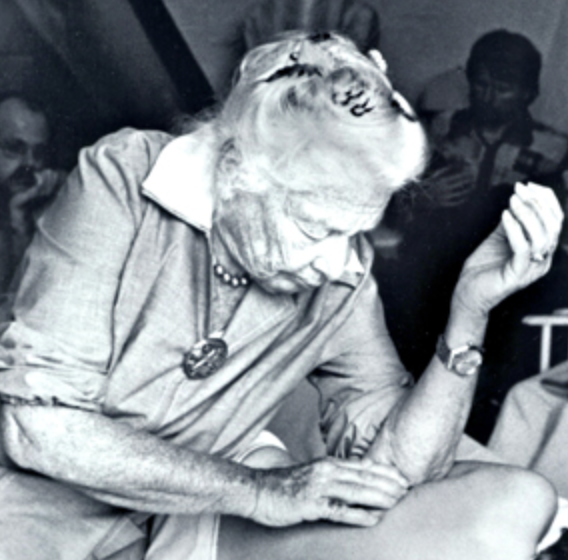
Dr. Ida P. Rolf
As a result, she created the basic foundation for Structural Integration, more popularly known as “Rolfing.”
Back in Dr. Ida Rolf’s time, the research on fascia was severely limited. Even today, cadaver labs in medical schools throughout the world simply cut and toss away the fascia, dismissing it as a protective casing and cushioning for the muscles- almost like opening up a box from Amazon and tossing out the bubble wrap and package cushioning. She knew Structural Integration worked but even she could only hypothesize how the work actually worked.
The main school of thought up until fairly recently was, put simply, that the fascia responded to touch and pressure by releasing fluid, which in turn, allowed the tissue to glide and move with increasing ease. Though this remains true to a degree, recent research now shows that fascia is richly innervated, meaning it’s packed with nerves- even more so than muscle tissue! This means that fascia, originally thought to only be “packing” tissue that cushions and protects organs and muscles, actually plays a huge role in the body’s responsive capacity to external stimuli. Packed with sensory nerves, fascia is the reason the body might fall into certain postural patterns or the reason why a traumatic injury or accident can cause so much more dysfunction in the body than meets the eye.
The good news is that the reverse is also true! Working skillfully with fascia through Rolfing can allow the body to regain healthy alignment in itself and with gravity. It’s so responsive to skillful touch that no matter your age, your body is capable of lasting structural change due to the plasticity and moldability of fascia. Rolfing can help the body “organize” within itself if there is disorganized scar tissue built up (often a result from injuries or surgeries) and also help a person connect to their body on a deeper level.
Dr. Rolf went on to create the Rolfing Ten-Series, a systematic approach to work with the entire body over the course of ten Rolfing sessions. Each session focuses on a different area of the body, either regionally or functionally. Through the Ten-Series, your whole body has an opportunity to be given the proper amount of time and attention to find balance and alignment.
For more information on the Ten-Series, click here! In the meantime, if you have any questions on how Rolfing works, let me know.
How does Rolfing® actually work?
So how does Rolfing structural integration (we’ll just refer to it as Rolfing from here on out) work exactly? Before we explore this important question, let me first introduce you to Dr. Ida P. Rolf, one of the first women in the US to receive her phD in biochemistry.
Throughout her studies and early work as a biochemist, she became fascinated with the human body and what allowed and prevented the body from moving optimally. This led to her fascination with fascia, the web-like connective tissue that surrounds virtually everything in your body. As Dr. Rolf explored the characteristics of fascia and applying her studies into a hands-on modality, she observed three key points:
The human body is a whole system that is interrelated within itself through the system of connective tissue that is fascia.
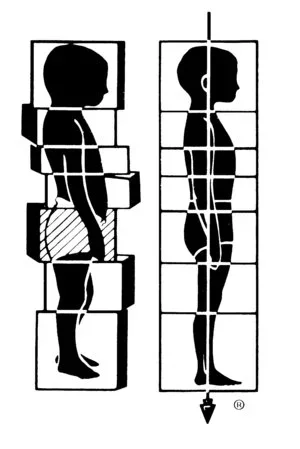
Gravity, as a force, can bring a “disorganized” body that is not in healthy relational alignment with gravity into more disorganization. However, when in proper alignment, gravity can be a constructive force in allowing a body to move optimally.
Specific pressure to fascia allows the tissue to soften and lengthen, which, when used intelligently, can be used as a tool to help bring a “disorganized” body into more “organization” and realignment.
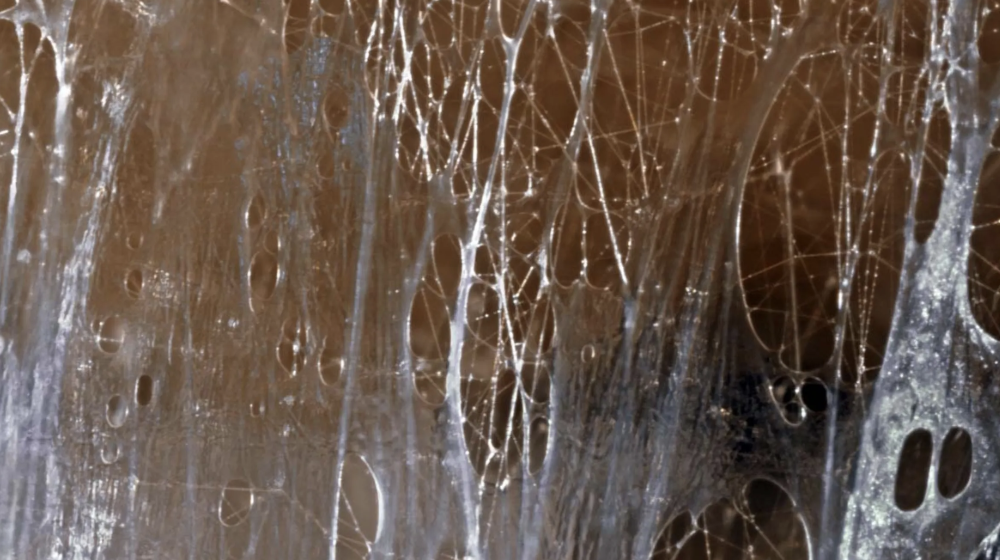
Contrary to popular thought back in the day, fascia is NOT just protective cushioning