
Is “weakness” really the problem?
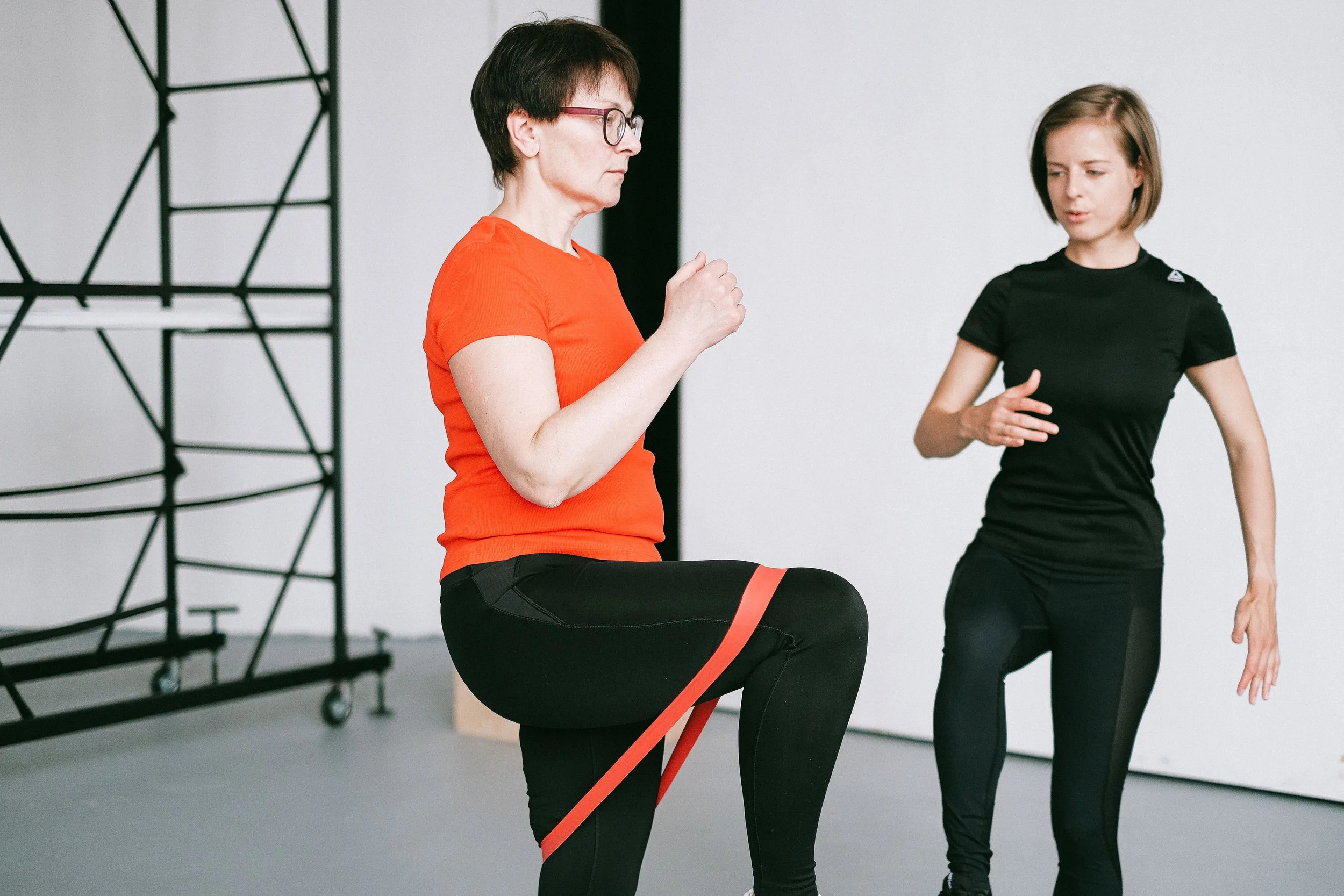
You’re probably not weak. You’re probably working too hard.
If you've ever gone looking for help with a nagging pain, you've likely heard some version of: "That area is weak." "Your core isn't strong enough." "If your (insert name of muscle) were stronger, it would support you better."
It sounds logical. It’s a clean and actionable sounding solution. In fact, it’s not necessarily incorrect. But after years of working with bodies as a Rolfer, I've come to see this story as incomplete, and sometimes philosophically backwards.
In my experience, persistent pain is less often a story of too little strength than a story of too much effort in the wrong places.
Why the "weak muscle" story is so appealing
The strengthening solution treats the body like a machine with an underperforming part. Find the weak part, upgrade it, problem solved. It's simple, it's measurable, and it gives you something to do as part of your routine.
The trouble is that a muscle can look or test "weak" for reasons that have nothing to do with a lack of capacity.
A muscle that is chronically braced, constantly on guard, or fighting its neighboring muscles interferes with other areas of the body through the myofascial network of the body.
To be clear, I'm not anti-strength.
In fact, in my early professional career, I was a Certified Strength and Conditioning Specialist and personal trainer who also worked in physical therapy practices and chiropractic offices working patients through therapeutic exercises.
Building strength can be wonderful for many people and many goals. My point is about the reflex: reaching for "get stronger" as the default answer to pain before asking what the body is actually doing.
What Rolfing’s approach does differently
The hands-on work in a Rolfing session is aimed at releasing the over-engaged areas - the tissue that has been holding on for so long it has forgotten how to let go. As that tension softens, the body suddenly has options it didn't have before. Ribs expand more with the breath. The neck stops doing the job of the trunk. Weight travels through the foot in a new way.
But release alone isn't the finish line. If the body isn't shown what to do with its new freedom, it tends to slide back into old habits.
So the second half of the work is integration: helping you feel the new movement patterns that opened up, practice them in simple actions like standing, walking, or reaching, and let them become your new normal.
Soften what's over-engaged, reconnect to what's been quiet, and reorganize how you move. That's the arc, and none of it depends on asking a tired muscle to push harder.