
Massage vs Chiropractic vs Physical Therapy vs Rolfing
Massage Therapy
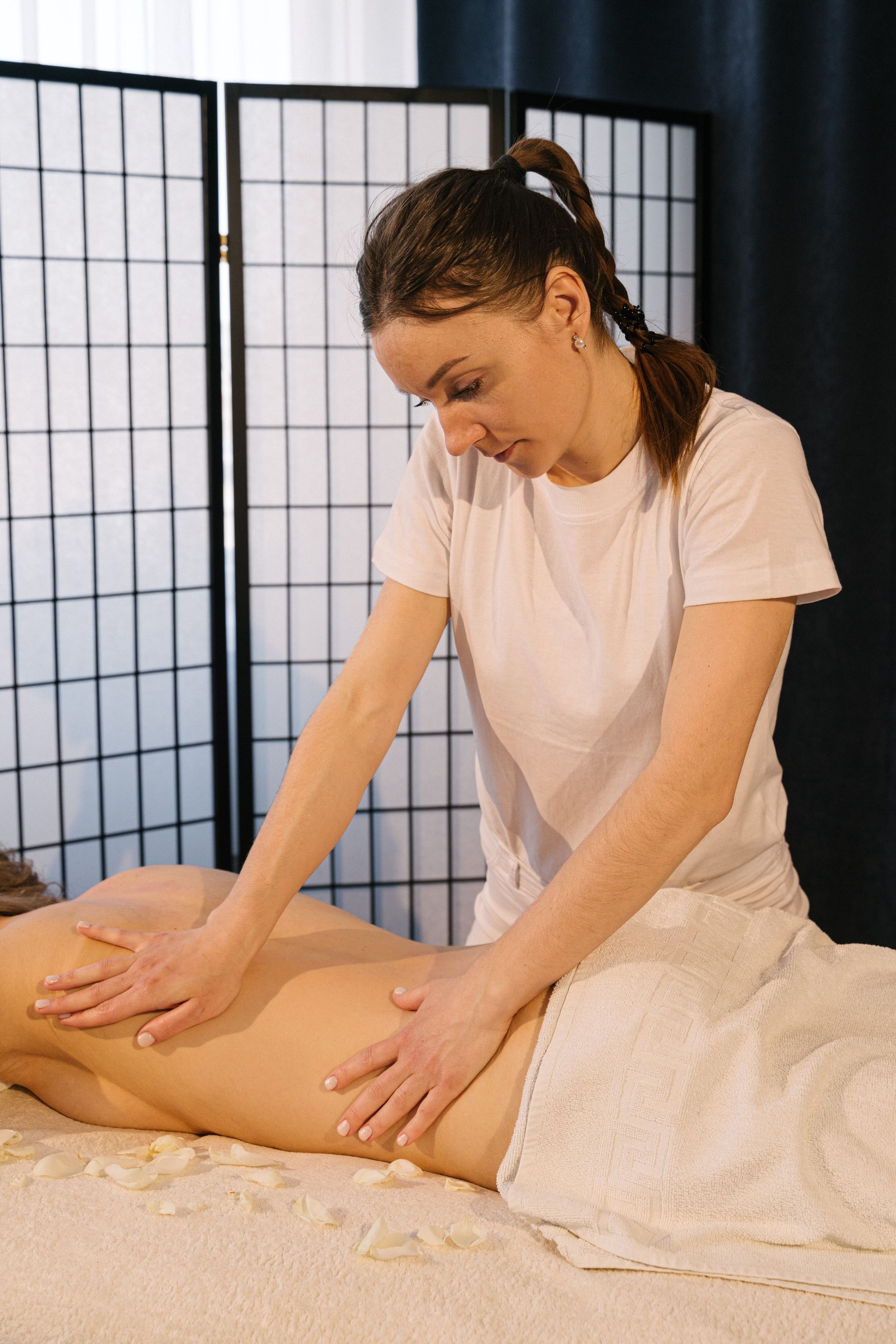
Massage therapists work on soft tissue (muscles, tendons, and the layers around them) using pressure, kneading, and stretching. Sessions can range from relaxing to deeply therapeutic. Massage is a good fit when you want to ease muscle tension, reduce stress, or feel better in your body after a hard week. Most people book it as needed rather than as a defined series.
If you’re dealing with pain, tension, or a body that just doesn’t move the way it used to, you’ve probably wondered which kind of practitioner to see. All four of these professions work with the body, and they overlap. They differ in what they focus on, how they work, and what a typical course of care looks like.
So let’s dig into some of the key differences!
Chiropractic
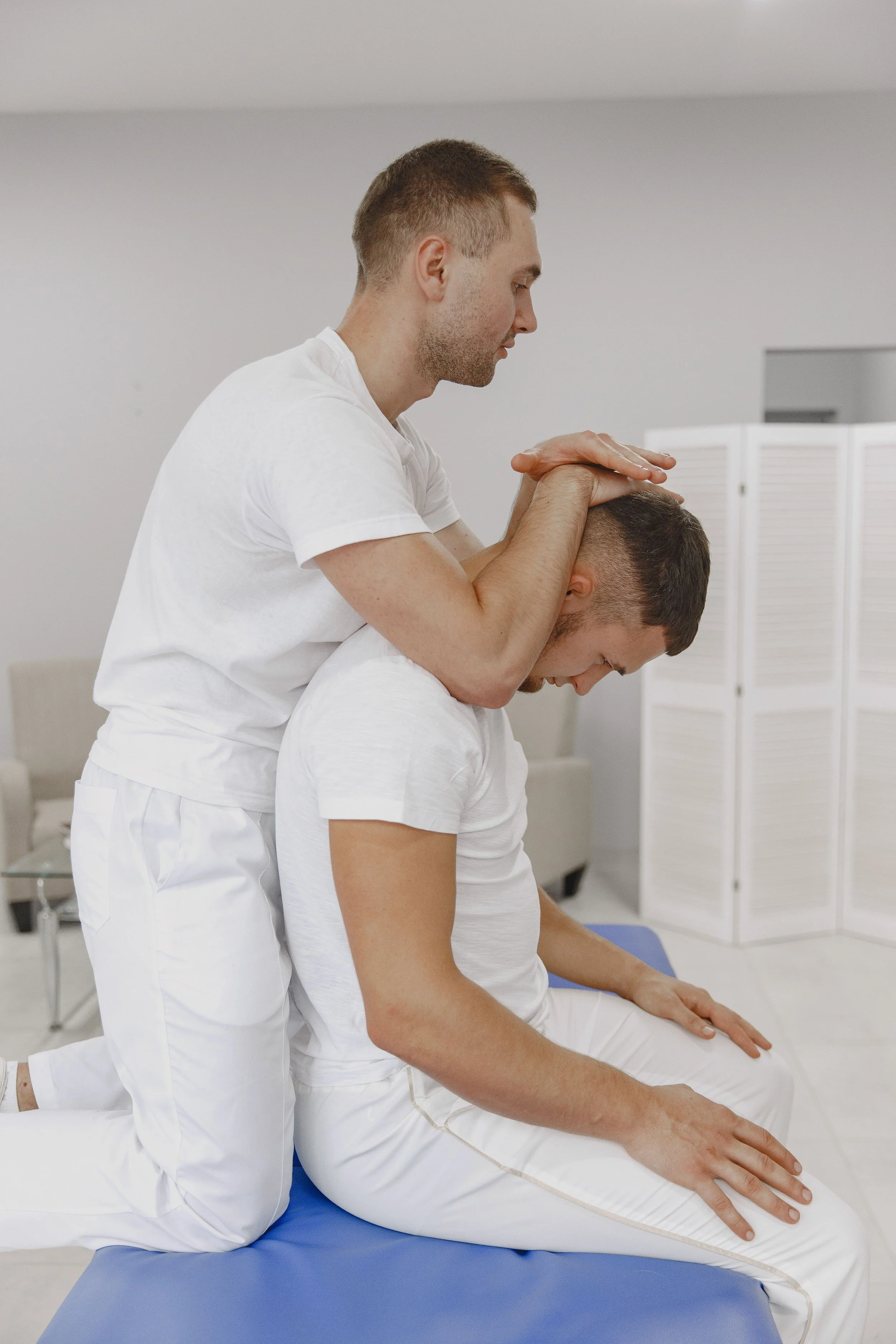
Chiropractors are doctors of chiropractic who focus primarily on the spine and joints. Their signature tool is the adjustment, a quick, controlled thrust that moves a joint through its range. People often see chiropractors for back pain, neck pain, and headaches. Care plans vary widely, from a few visits to ongoing maintenance.
Physical Therapy
Physical therapists are licensed clinicians who help you recover from injury, surgery, or loss of function. Their work centers on targeted exercise, mobility training, and education, with hands-on techniques as part of the mix. If you’re rehabbing a torn ligament or recovering from a procedure, PT gives you a structured, goal-driven plan, and it’s often covered by insurance.

Rolfing Structural Integration
Rolfing is a form of bodywork developed by Dr. Ida Rolf. Rather than treating one sore spot, a Rolfer looks at how your whole body is organized: how you stand, walk, and carry yourself, and how the connective tissue (fascia) supports all of it. Sessions use slow, sustained hands-on work along with movement cues, and the work is done in a progression. The classic format is the Ten-Series, where each session builds on the last. Rolfing tends to suit people with chronic tension patterns or movement issues that haven’t resolved with more localized approaches.

So how do you choose?
As a Certified Rolfer® (who passed the Massage & Bodywork Licensing Exam) who has also worked in a chiropractic office and physical therapy office doing clinical work, here’s how I would suggest navigating the four options:
You want to relax or ease general muscle tension? Massage therapy.
You have joint or spinal pain and want adjustments? Chiropractic.
You’re recovering from an injury or surgery and need a rehab plan? Physical therapy.
You have a long-standing pattern of tension or movement restriction and want to work on the whole system? Rolfing.
Now, I want to be clear - these aren’t competing options. Plenty of people use more than one modality and oftentimes, having a structural issue addressed through multiple fronts can be highly effective. At the same time, a good practitioner will refer out when another modality is a better fit.
And if you’re still not sure, start with the problem you’re trying to solve rather than the modality.
Curious whether Rolfing might fit for your situation?