Stretching is a waste of time (Here’s why)
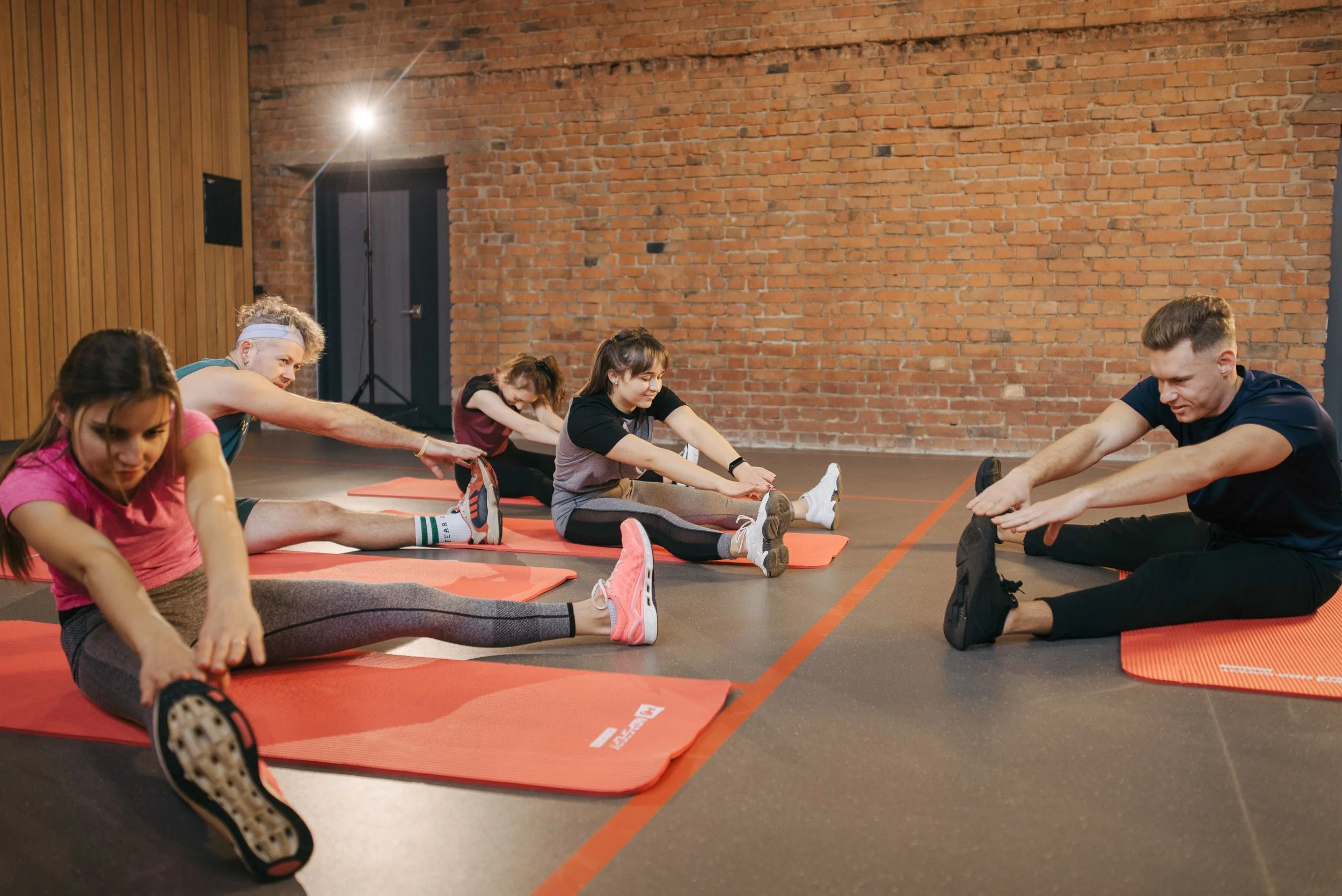
Stretching is completely misunderstood. At least the way most of us do it.
Most people stretch to get “longer.” They pull and hold and push. They think the muscle is short and needs to grow.
As a former Certified Strength and Conditioning Specialist and personal trainer, I get that line of thinking.
But in my work nowadays as a Rolfer, I see something else. The spots that feel tight are often not short at all.
“Tight” is a feeling, not a fact.
I like to think of tightness as two options:
Structurally tight: the tissue is actually shortened and structurally restricted
Sensory tight: the area just feels shortened and restricted
A lot of the "tightness” we experience is actually the second one. The area is not short. It's just "asleep." So a long, hard pull does very little for it structurally.
How to approach it differently
Want to stretch the classic way? Go ahead. Just change why you do it.
Treat it like a meditation and check-in for your body. Be intentional. Go slow. Breathe. Pay attention. It's less about changing the tissue and more about changing how your body and brain talk to each other.
That’s how you address sensory tightness.
How Rolfing can help support both kinds of “tightness”
With that said, restrictions in your body do indeed exist, and it’s almost always in the myofascial system of your body - the connective tissue surrounding your body.
The work that a Rolfer does helps release the fascial restrictions that exist in your body, enabling you to connect and engage with your body in ways that weren’t accessible before.
Do you have any long-held restrictions in your body that just won’t go away regardless of how well you stretch or connect with your body?